Choosing the right paint color for your home is more than just a design decision—it can have a significant impact on how you feel in a space and how large or small the room appears. Color psychology plays a powerful role in influencing mood, energy, and comfort levels. Whether you’re looking to create a calming retreat, energize a space, or make a small room feel more open, the paint colors you choose can make all the difference.
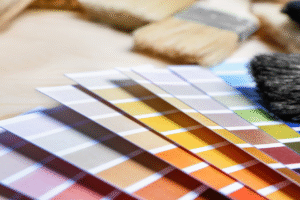
Warm colors like red, orange, and yellow tend to stimulate and energize. Red can evoke feelings of passion and excitement, making it ideal for dining rooms or social spaces where conversation and activity thrive. However, too much red can be overwhelming, so it’s often best used as an accent. Orange brings warmth and enthusiasm and is great for exercise rooms or creative spaces, while yellow promotes happiness and cheerfulness—perfect for kitchens or breakfast nooks.
Cool colors, such as blue, green, and purple, tend to have a calming and relaxing effect. Blue is often used in bedrooms or bathrooms because it promotes peace and tranquility, helping to reduce stress. Green, associated with nature, offers a balanced and refreshing vibe, suitable for almost any room in the house. Purple, particularly in lighter shades like lavender, adds a sense of serenity and sophistication.
Neutral tones like white, beige, gray, and soft taupe offer versatility and a clean backdrop that complements any decor style. These shades can make a space feel larger, brighter, and more open. When used effectively, they provide a sense of stability and simplicity, helping to ground other design elements in the room. However, too much neutral without variation can feel cold or uninspired, so it’s important to layer in textures and accents.
The way a color influences room perception is just as important as its emotional impact. Light colors tend to make rooms feel more spacious and airy. If you’re working with a small or poorly lit room, soft whites, pastels, or pale grays can visually expand the space. On the other hand, darker shades like navy, charcoal, or deep forest green can create a cozy, intimate environment—ideal for large rooms or areas where you want to establish a sense of warmth.
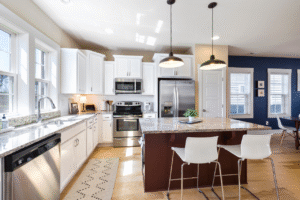
Accent walls are a popular design trick to influence perception and mood without overwhelming a space. A bold color on a single wall can draw attention, add depth, and create a focal point. It allows you to incorporate stronger colors without fully committing to painting an entire room.
Lighting also plays a crucial role in how paint colors appear. Natural light tends to show the truest version of a color, while artificial light can alter its appearance dramatically. Warm lighting will enhance warm hues, making them feel even more intense, while cool lighting can soften blues and greens. Always test your chosen paint in various lighting conditions before making a final decision.
Ultimately, selecting paint colors is both an art and a science. By understanding how different shades impact mood and perception, you can create a home environment that supports your lifestyle, reflects your personality, and feels just right. Whether you want your living room to feel lively, your bedroom serene, or your office focused, the right paint color can help bring that vision to life.